Elm: A Visceral Display Font for Dark, Bold Designs
Some typefaces whisper; Elm makes a statement that drips with intention. This is not just another premium font—it's a visceral display typeface engineered to capture the raw energy of dark aesthetics and high-impact visuals. If your project demands a bold, unforgettable presence, understanding what Elm offers is the first step toward creating something truly memorable.
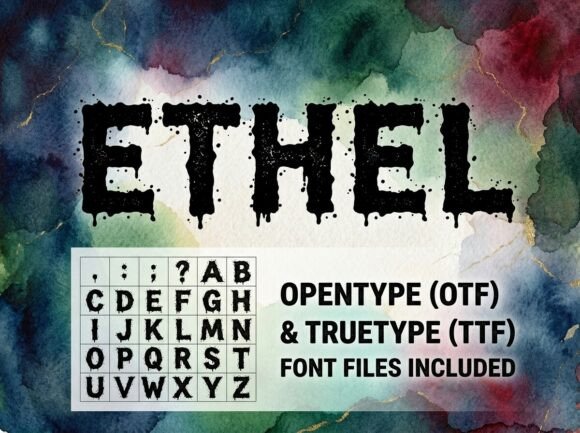
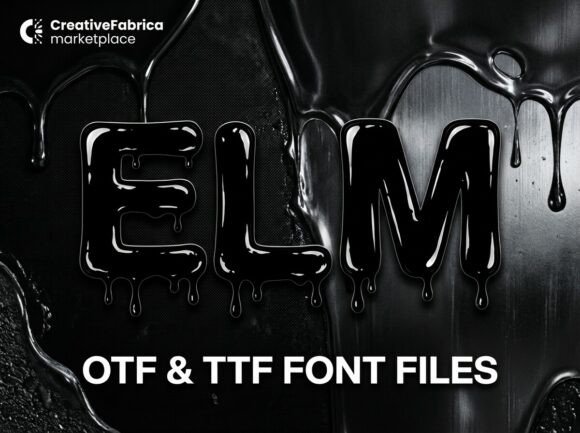
At its core, Elm is a heavy-set display font characterized by ultra-thick, rounded letterforms. Its defining feature is the unique "onyx-oil" finish, a high-gloss texture that gives each character a wet, viscous appearance. This is complemented by realistic dripping accents and subtle bubbling textures, creating a sense of movement and depth that static typefaces often lack. It’s a font with a "dark-industrial" soul, designed to evoke a specific, powerful mood.
Where Elm Truly Shines
Choosing the right creative font is about matching form to function. Elm excels in projects where the goal is to make an immediate, visceral impact. Its unique character makes it a standout choice for several key applications:
- Horror and Thriller Branding: For movie titles, book covers, or game interfaces, Elm sets an instantly chilling tone. The dripping effects and dark texture are perfect for creating a sense of unease and suspense.
- Extreme Alternative & Streetwear Graphics: This typeface is built for bold logos, merchandise, and social media headers for brands in the alternative, metal, or skate scenes. Its weight and texture convey authenticity and edge.
- Cinematic & Grunge-Aesthetic Projects: Whether for poster design, event flyers, or YouTube thumbnails, Elm adds a layer of gritty, cinematic quality. It’s ideal for projects that need to look gritty and high-octane.
- Packaging with Attitude: Think specialty craft beer labels, hot sauce branding, or any product that wants to communicate intensity and bold flavor. Elm helps packaging jump off the shelf.
Practical Tips for Using Elm Effectively
While Elm is a powerful design asset, using it effectively requires some consideration. Here’s how to ensure it enhances your project:
First, prioritize readability. As a display font, Elm is best suited for headlines, logos, and short, impactful text. Avoid using it for long paragraphs or body copy, where its intricate details could become overwhelming. For supporting text, pair it with a clean, simple sans serif font or a neutral serif font to create balance and ensure your message is clear.
Second, always test the font in context. Download a sample to see how the dripping accents and textures render at your intended size. What looks stunning on a large poster might lose detail in a small web header. This step is crucial for any modern typography project.
Finally, consider the license. If you’re using Elm for commercial work—like client logos, merchandise, or paid digital products—ensure your font download includes the appropriate commercial license. This protects both you and the font creator and is a hallmark of professional practice.
The right typeface does more than display words; it builds atmosphere and reinforces brand identity. A well-chosen font like Elm can elevate a design from ordinary to extraordinary, providing a cohesive visual language that resonates with your audience. It’s a tool that, when used thoughtfully, adds a professional and polished finish to any creative endeavor, proving that the details in your typography are what make the design truly complete.